Seeing Appalachia | John Ryan Brubaker

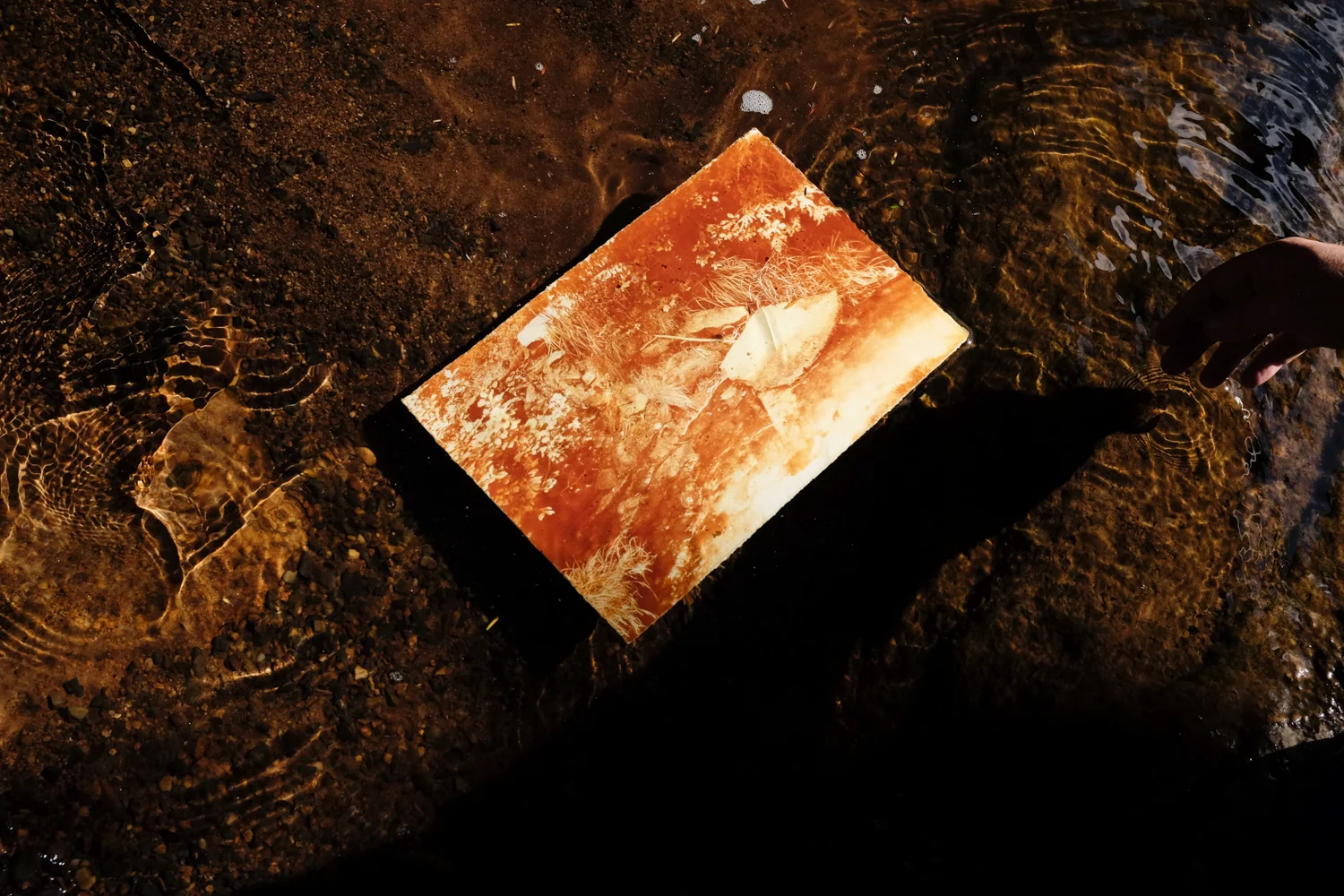
I learned of John Ryan Brubaker's work through a mutual friend, Emma Fisher, Tamarack Artisan Foundation's program director. Before I even saw the work, I was taken by the process of the work. More and more these days, I'm interested in how work is made and after learning that John Ryan used acid mine drainage as a central component of his series 'On Confluence,' I wanted to learn more. John Ryan not only shares images from the series, but also images from the field as the work was made.
(Editor's note: for the last three and a half years, I've written the series titled 'Looking at Appalachia' here on my blog. Since launching the Looking at Appalachia project in February 2014, I've considered renaming this series to create a clear separation between my personal writing and the project. This installment is the first under the new series name 'Seeing Appalachia.' Thanks for reading and for your continued support.)
Now on to John Ryan's work. I asked him to introduce it and talk about his process a bit.

On Confluence Walks down the North Fork
The North Fork Blackwater River runs past Thomas, West Virginia before joining the Blackwater proper in the canyon downstream. Thomas developed as a coal town in the early 20th Century, but as the mines were abandoned they filled with water which continues to drain into the river today. The mine void currently covers 1100 acres and discharges an average of two million gallons of water per day into the North Fork. The drainage has a pH in the 3.0 – 5.0 range and contains heavy concentrations of iron and aluminum. This water dissolves heavy metals and creates acid mine drainage, which is detrimental to river ecosystems, rendering them generally unfit for life, recreation, or consumption.
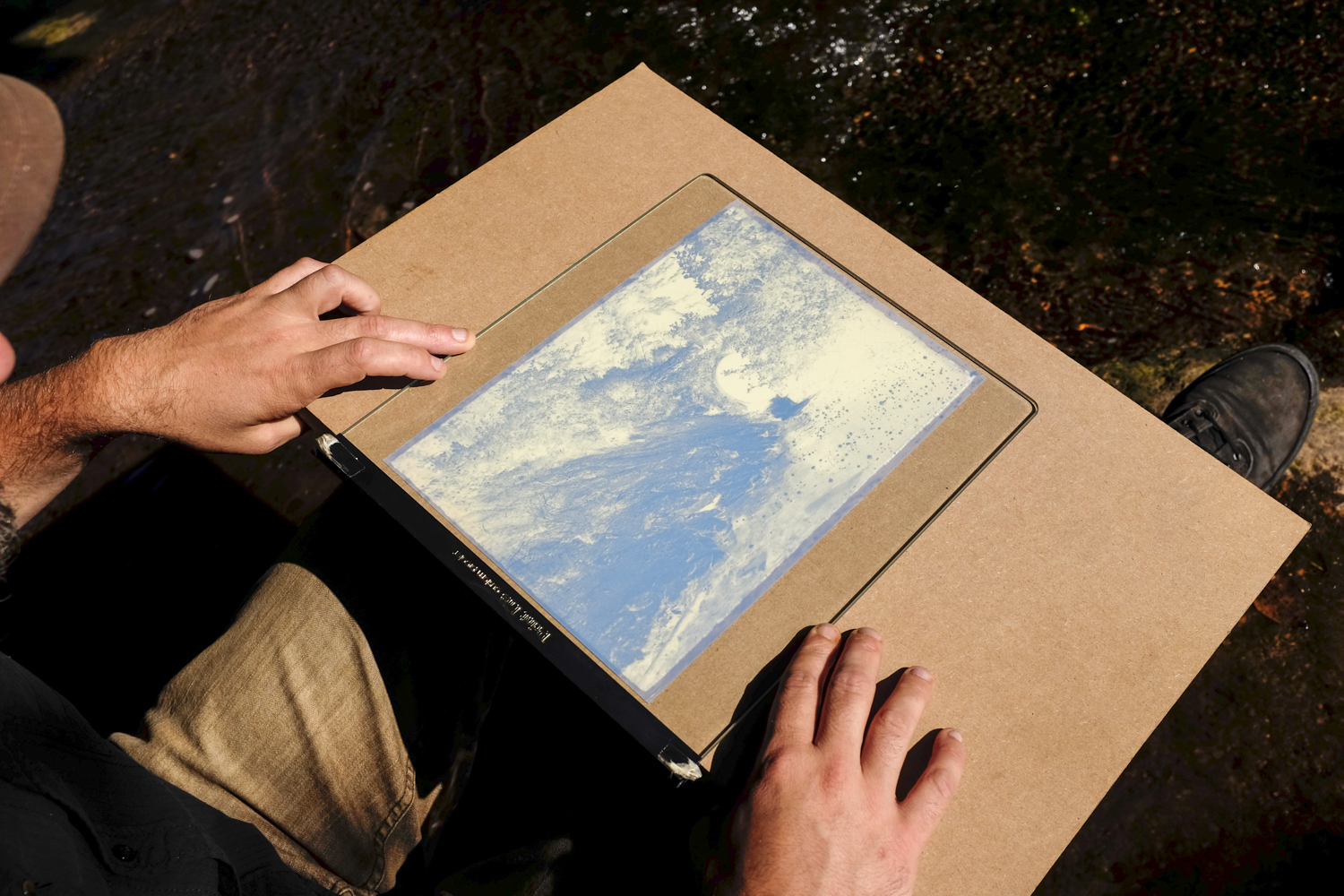
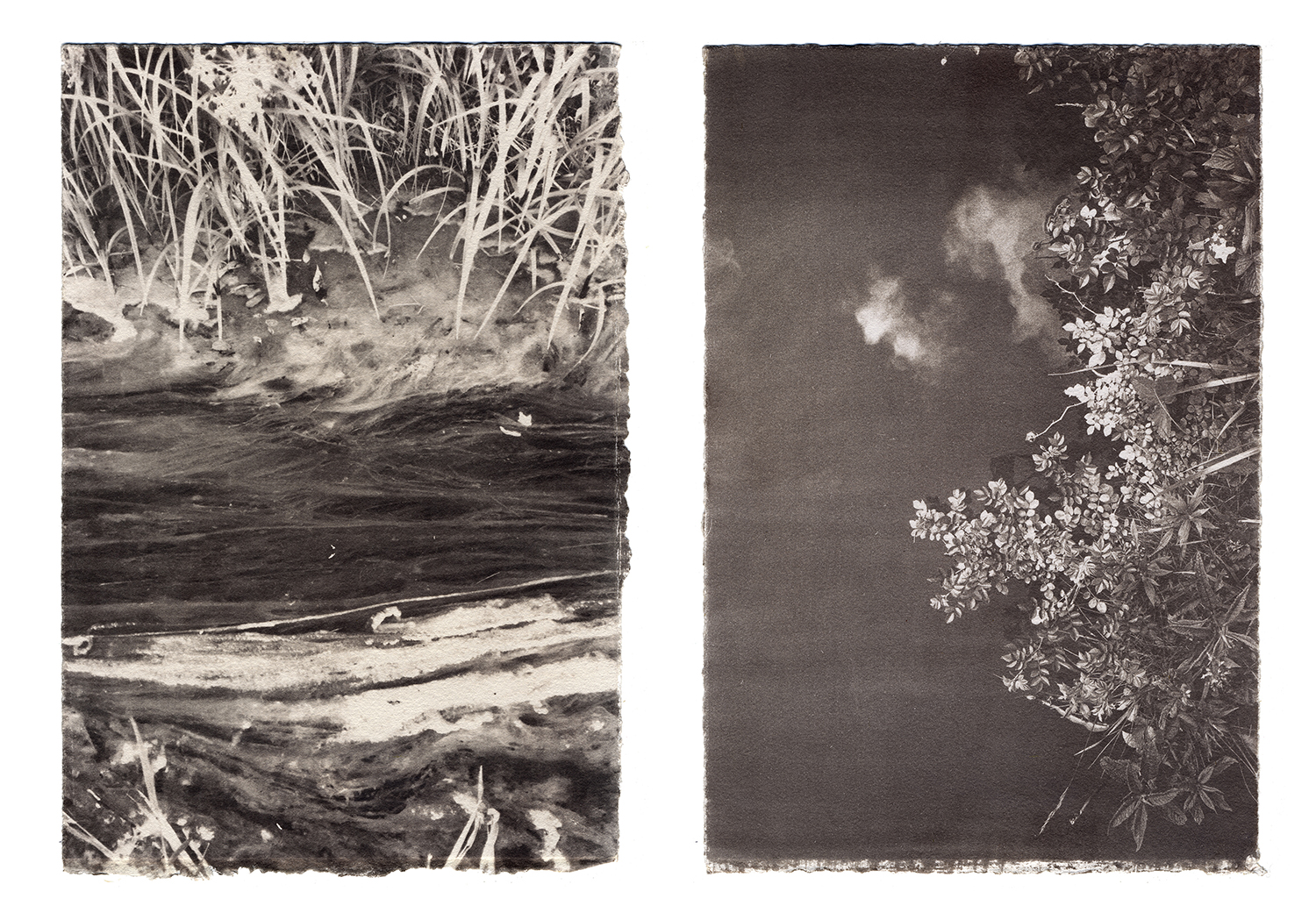
The images in this project were shot during a number of walks in and around the North Fork. As most of the river is difficult to access the process required walking through the riverbed directly. The prints were made using an iron-based photographic process called the Van Dyke Print. This process uses acidic water as its developing agent, making the contaminated portions of the North Fork an ideal location for creating prints.

The works, exhibited earlier this year for the first time at the Carnegie Hall Museum Gallery in Lewisburg, West Virginia, were processed directly in river water effected by acid mine drainage and have absorbed traces of the same heavy metals and mine runoff as the North Fork Watershed itself.

For the past four years I have split my time between the 500-person Appalachian town of Thomas, West Virginia and the million-person city of Brussels, Belgium. During that time the majority of my photographic work was shot and conceptualized in the urban environment and then printed and produced over the summer in my studio in Thomas. My recent projects, 'Maps for Getting Lost' and 'Every Path is Viable' deal with passageways, physical infrastructure and movement through urban space. They incorporate walking as artistic practice, GPS tracking and multi-exposure images of intersections and transit points. While considering a project based in the landscape of West Virginia I was drawn to the river as the organic, geographic equivalent to a transit grid. The lines created on the landscape by water are quite different than those carved out by public transportation and city streets, but they serve similar purposes for me artistically. They provide a fixed, finite space in which to move and observe with a camera.

By researching the history and route of the North Fork I began to understand the immensity of the damage done to this body of water. As is so often the case in West Virginia, the landscape here is scarred by resource extraction. Much of the river appears clear and healthy, with little sign of impact by mine drainage, but other sections are opaque and disconcerting shades of blue-grey or orange. I also became aware of its inaccessibility, as most of the shore is hidden within a dense growth of trees and uninviting thickets. After many failed attempts to follow the shore I decided to walk directly in the riverbed, submerging myself in the water and engaging with it physically as my subject. I consulted with local environmental experts to be sure the toxicity levels weren’t overtly dangerous to me. Ultimately, the photographs in this series were made on a number of day-long walks starting in the city of Thomas and ending at a waterfall downstream.

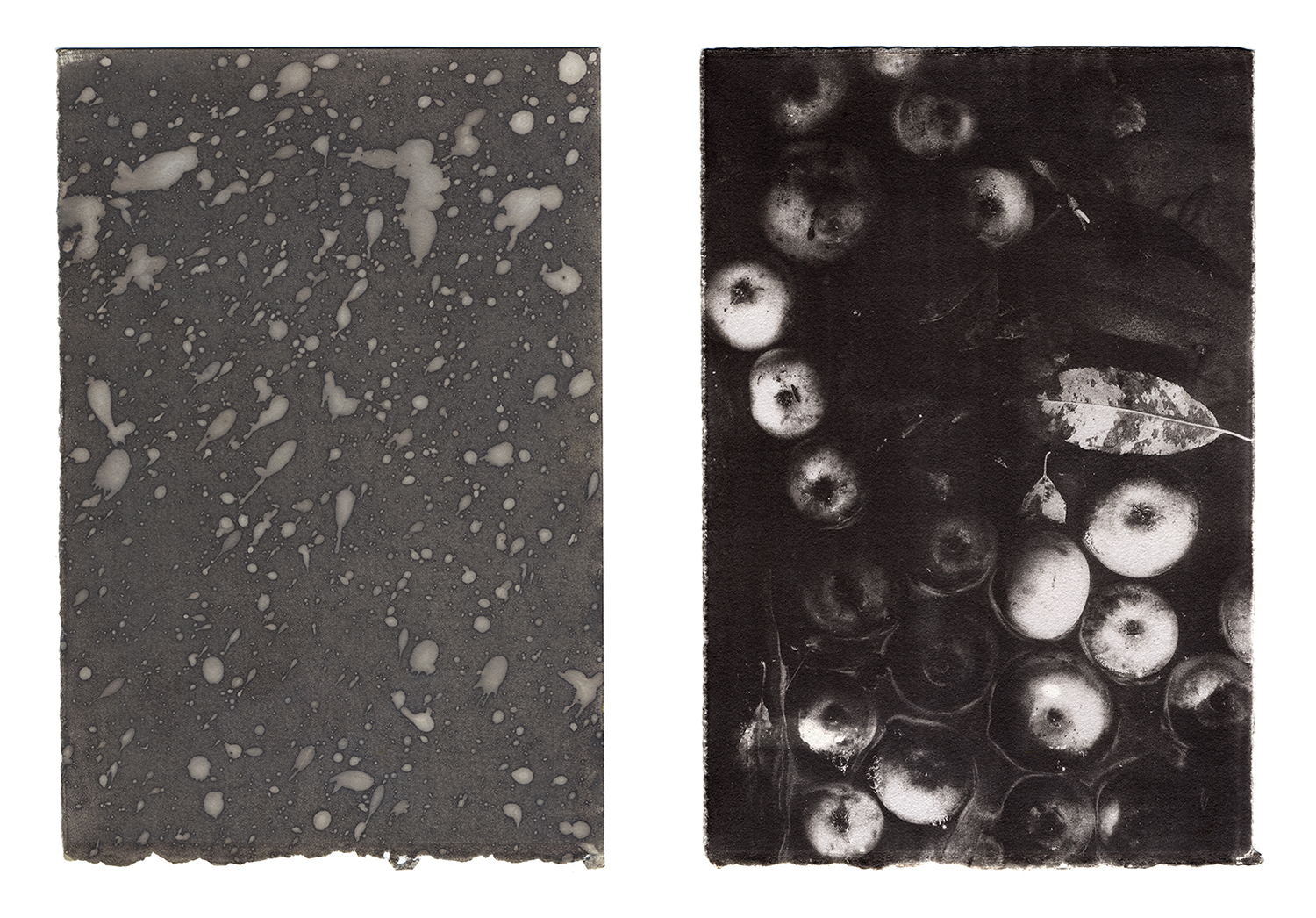
I chose to use the Van Dyke printing process for these works because it allowed me to work directly with the chemical nature of photography. It took months of experiments with chemistry, paper, exposure and negative density to reach the result I was after. I wanted the prints to absorb heavy metals from the water and to have a physical presence that is often lost in the presentation of photographs. A small run of the river with the ideal pH level served as my outdoor darkroom. I exposed the paper using the sun and developed the images directly in the river. The prints were fixed in a solution of sodium thiosulfate, returned to the river for rinsing and then dried on the shore. I'm curious how they will behave over time, but I've embraced the possibility of them shifting in color or density as they age. They are, after all, organic objects: paper, chemistry, water and light.

This project was supported by the Tamarack Artisan Foundation. It will be shown again in Thomas, WV in the Spring of 2016. You can see more of his work here and follow him on Instagram at @jrbrubaker.
All images © John Ryan Brubaker and are used with permission.
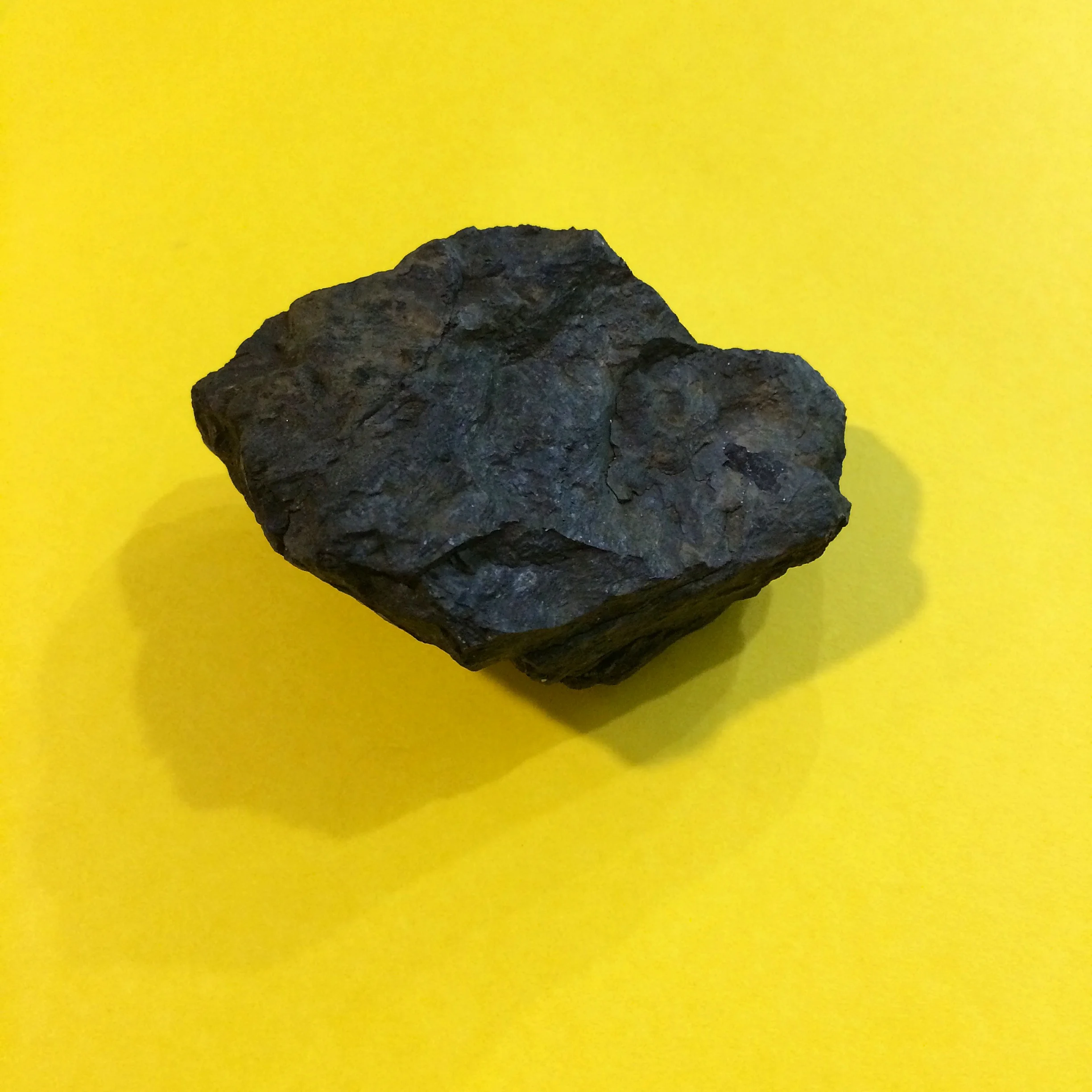
A Piece of Mingo County

I keep a piece of Mingo County on my desk. There have been many like it, but this one is mine.
Pieces of Mingo County, like this, have been taken away for more than 100 years. This piece is different, though. This piece reminds me of the cost paid by the men and women who mined this coal, who sacrificed in countless ways for their families and communities, and for the toll it’s taken on both the people and places of the Appalachian coalfields and elsewhere. I think about the hopes and dreams and fears and sorrow that hang like coal dust deep in the hollers of “Bloody Mingo.” I think about sacrifice and being sacrificed and I’m reminded of the difference between the two. I think about the natural resource and human extraction, blasted out, hauled away, never to return. And I think about what it is to return and how literally there are parts of Mingo County you can’t ever return to. I think about “Friends of Coal” and know that coal has never been a friend to Mingo County. I think about the wail of the train engines, the thunderous vibration of the tracks as coal cars roll out, taking another few hundred tons from the heart of the billion dollar coalfield, a heart that try as you may, you will never hollow out. Politicians have heralded it, outside interests have swallowed it, and we are all are complicit in our thirst for this nonrenewable resource. I think about my role in this, too. I think about home for me and it’s impossible to do so without thinking about coal.
This little piece of Mingo County keeps me thinking…
Looking at Appalachia | Robert Gumpert
In 1972, while hitchhiking across the United States, Robert Gumpert found himself on the side of the road in Cabin Creek, West Virginia waiting for a ride. During a shift change at the coal mine nearby, seeing a steady stream of miners convinced him that he needed to come back to photograph the area.
Back in Los Angeles in late 1973, his conversation with the National Lawyer’s Guild connected him to Charleston, West Virginia. While there, he learned of an ongoing strike in Harlan County, Kentucky at the Brookside and Highsplint mines. At the same time, Barbara Koppel was making what would later become the well-known, Academy Award-winning documentary Harlan County U.S.A.

Last month, Gumpert was kind enough to participate in a Skype discussion about his experience making pictures in Appalachia as well as share some of his work.

For three months, Gumpert worked and lived in Harlan County photographing the strikes and the impact on the families and communities like Coxton and Evarts. All of this was happening not long after the killing of Canadian filmmaker Hugh O’Connor in neighboring Letcher County, which served as the centerpiece of Elizabeth Barret’s Stranger With a Camera.
Though this was Gumpert’s first major project, he was aware of the power of pictures and how they can be used to perpetuate stereotypes. A few times, Gumpert mentioned that newspaper reporters passing through the area asked for specific types of pictures, which he knew would be used to support an expected narrative about Appalachia. He flatly refused. However, he didn’t refuse to show poverty and hard times, he insisted on not making it the center of the story.
Back in Los Angeles, Gumpert began processing his film, making contact sheets, and selecting images for print. Working with a friend, Rick Fichter, who was a film major at USC, the project was broken down into three parts: the strike, inside the mines, and a family. He printed a show for a local bookstore intending to hang the photographs of the underground mine at approximately 29”, the height of the mine he visited. Realizing that most people wouldn’t make the effort to view the photos in that manner, he opted to mark the length of the wall at 29” to serve as a visual marker for the viewers.
The work he did in Appalachia taught him a lot about exploitation. He sensed the bitterness and anger on the faces of the miners and families as day after day they watched absentee capitalism haul away their futures. This put a face on it for Gumpert. “I had my politics before I got to eastern Kentucky, but there was nothing like seeing it to bring it home for me.”










All photographs © Robert Gumpert, 1974 unless otherwise noted. All rights reserved.
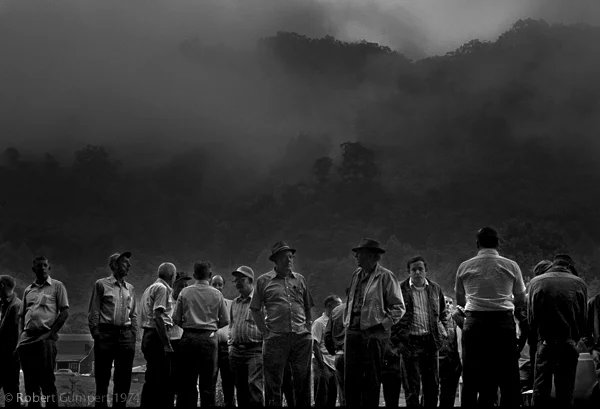
1. Harlan County, Kentucky: Morning on the Highsplint picket line.
2. Screenshot of Skype conversation with Robert Gumpert, 10 July 2014. (Roger May)
3. Harlan County USA directed by Barbara Kopple. (Roger May)
4. Harlan County, Kentucky: Picket line at the Highsplint mine. The governor of Kentucky sent in the state police.
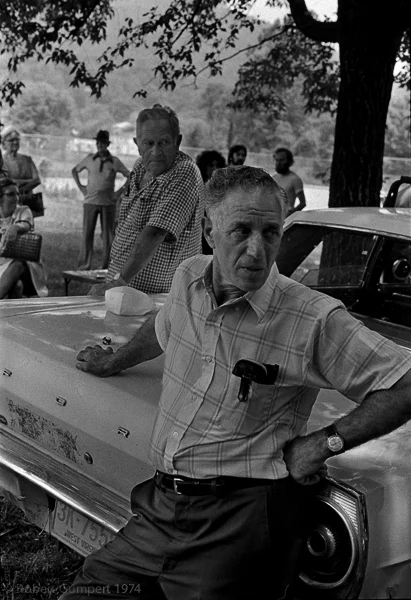
5. Harlan County, Kentucky: Basil Collins miner foreman and leader/manager of the scabs confronts picketers with a 45 in his right pocket.
6. Harlan County, Kentucky: UMWA on a 13-month strike at Brookside mines and on the pick line at Highsplint mine. A meeting of the Brookside women's support group.
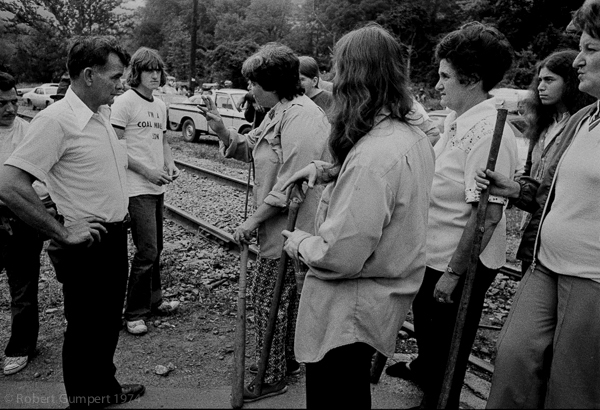
7. Harlan County, Kentucky: UMWA on a 13 month strike at Brookside mines and on the pick line at Highsplint mine. Women of the Brookside women's support group talk with Harlan County sheriff Billy Williams at a roadblock.
8. Harlan County, Kentucky: On the pick line at Highsplint mine.
9. Harlan County, Kentucky: Coal miners meet before heading to the picket line. Many local, small businesses supported the UMWA, the miners, and the strike.
10. Harlan County; Kentucky: Picket line at the Highsplint mine. The Kentucky governor sent in the state police and they proceeded to keep the strikers from blocking the scabs from working.
11. Harlan County, Kentucky: Scabs and gun thugs led by Basil Collins confront strikers on the pick line at Highsplint mine.
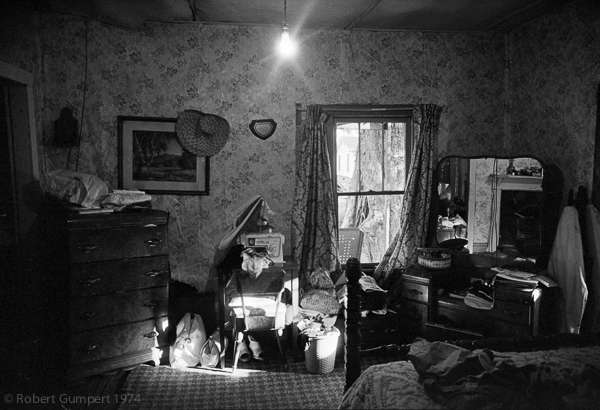
12. Coxton, Kentucky kitchen.
13. Harlan County, Kentucky: Highsplint picketers move to another mine.
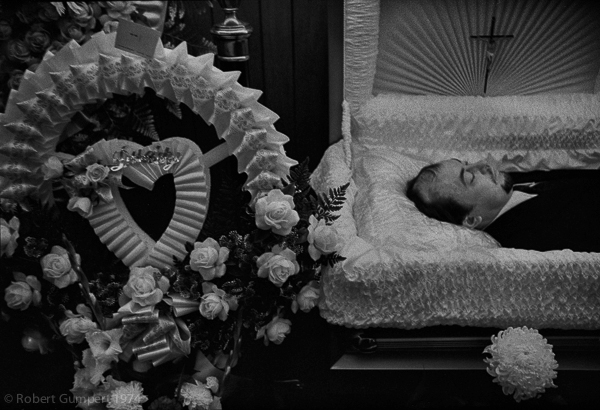
14. Harlan County, Kentucky: Funeral of Lawrence Jones, killed by a scab during a confrontation away from the picket line.
15. Harlan County, Kentucky: Funeral of Lawrence Jones, killed by a scab during a confrontation away from the picket line.
16. Harlan County, Kentucky: Funeral of Lawrence Jones, killed by a scab during a confrontation away from the picket line.
17. Harlan County, Kentucky: The wife and daughter of Lawrence Jones at his funeral. Mr. Jones was killed by a scab during a confrontation away from the picket line.
18. Retired miner at a Charleston, West Virginia rally for Harlan County, Kentucky strikers.
19. Charleston, West Virginia. Meeting of coal miners called by the United Mine Workers of America (UMWA).
20. Coal mining family at home just outside of Everts, Harlan County, Kentucky. After a 13-month strike, they won the right to have an election.
21. Harlan County, Kentucky: striking father Samson Blevins and his kids at home near Everts, Harlan County, Kentucky.
22. Coal mining family at home just outside of Everts, Harlan County, Kentucky. After a 13-month strike they won the right to have an election.
23. Harlan County, Kentucky: striking father Samson Blevins and child at home near Everts.
24. Coxton, Kentucky. Old miner with black lung and the breathing equipment he needs.
25. Harlan County, Kentucky: striking father Samson Blevins at home near Everts.
26. The Blevins family having a meal together at home. Samson Blevins, a coal truck driver, was on strike at the Highsplint mine.
27. Harlan County, Kentucky: Father and son in the Everts, Kentucky apartment above the Blevins family.
28. Harlan County, Kentucky: The Coxton, Kentucky home of a coal miner.
29. Harlan County, Kentucky: Family living upstairs from the Blevins, Everts, Kentucky.
30. 1974: Coal mining family at home just outside of Everts, Kentucky.
31. Harlan County, Kentucky: Coal mine, not on strike and not union, mining 29-inch coal seam.
32. Harlan County, Kentucky: Coal mine, not on strike and not union, mining 29-inch coal seam.
33. Brookside coal camp, early morning with the mine in the background. Harlan County, Kentucky.
34. Harlan County, Kentucky: Victory photo after the miners of the Highsplint mine voted to join the UMWA.
Looking at Appalachia | Les Stone
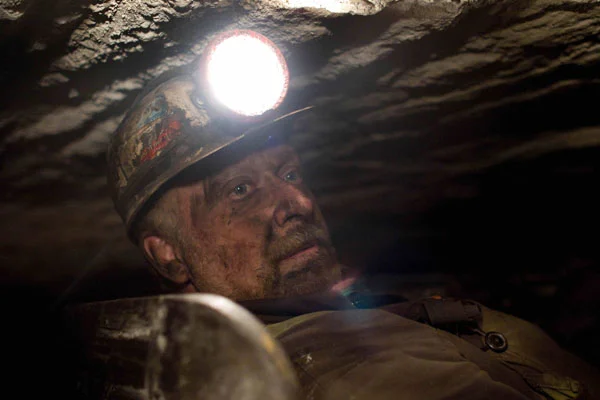
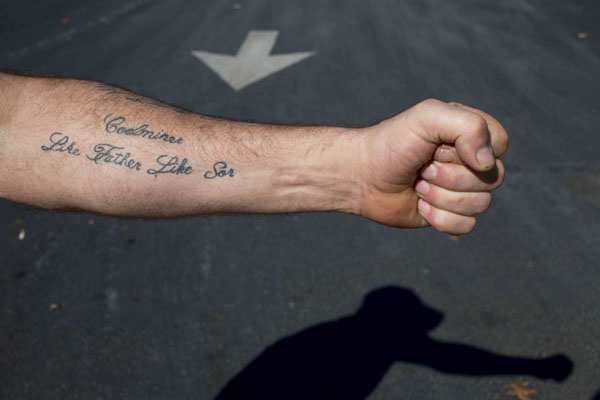 Les Stone is a photographer based in Claryville, New York who has worked extensively in the coalfields of Appalachia as well as Iraq, Afghanistan, Israel, Kosovo, Liberia, Cambodia, Panama, and Haiti. His images are powerful not only because they bring to our attention important and often overlooked people and events, but because they do so in a visually arresting way. You can see more of his work here.
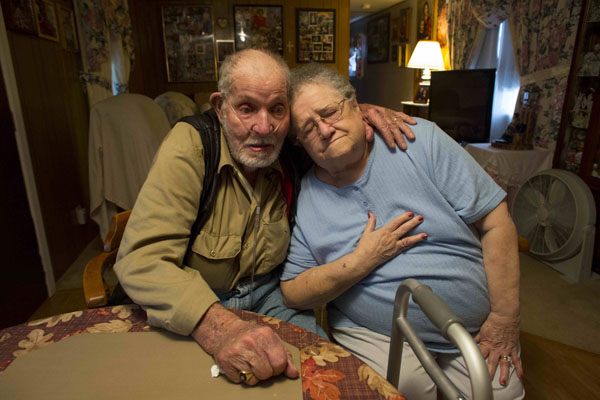
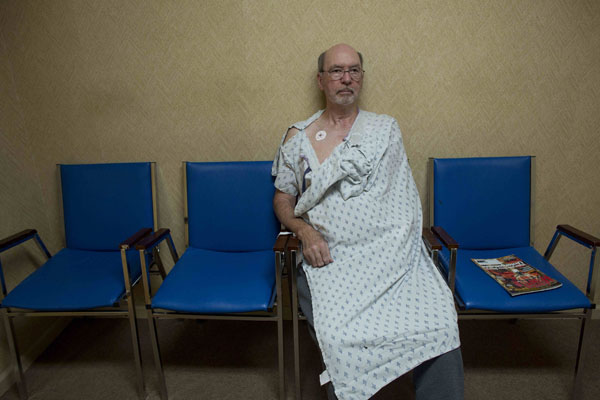
Les and I got in touch via Facebook, which eventually led to a phone call. It was clear to me from the outset that he was deeply moved by what he saw in Appalachia. The outrage in his voice about miners suffering from black lung disease, his primary focus in West Virginia, was palpable. The passion I heard on the phone is easy to see in his photographs. I asked Les to write an essay to accompany some of his work from Appalachia.
Deep in the Heart of Appalachia
McDowell County, West Virginia is one of the poorest and most remote counties in the United States. Because of coal mining, Welch, had at one time the highest concentration of millionaires in the United States. When I drive down these two lane mountain roads, it feels like another world, far away, perhaps another country, certainly not the wealthiest country on the face of the planet, the USA. For those of you who have never been here, it is truly a special experience and forget all the stupid hillbilly jokes; there are real and great people here with real problems and we are all part of each other’s lives.
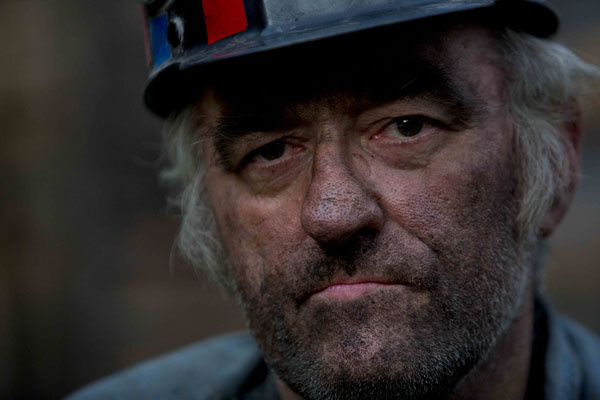
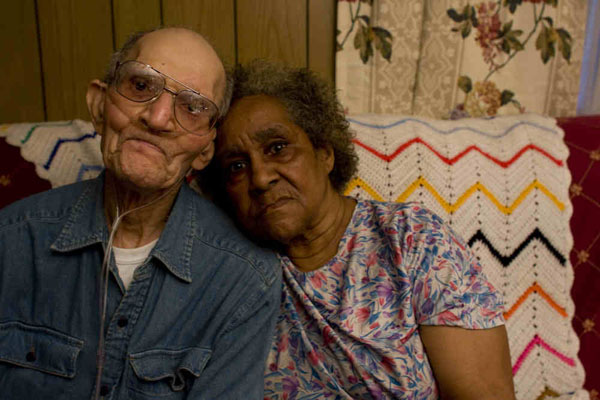


Thousands of immigrants from Europe came to find work in the coalfields of Appalachia, to Pennsylvania, West Virginia, and Kentucky to name a few. Welch, the county seat of McDowell, is scarcely a shadow of it's former self, but still today more coal is taken out of this area than any time in its history. Mechanization and non-union mining has caused this area has become almost destitute, not to mention that many of these companies have treated the people here with ethical disdain and criminal and moral neglect since the beginning of mining here. Domestic wars have been fought here and hundreds, even thousands, have died in mining accidents and during strikes. Labor history was made here in Appalachia that affects all Americans today.
Black lung, heart disease, diabetes, and drug abuse are endemic in Appalachia. Black lung disease is on the rise among all the miners. Many of formerly wealthy towns in the area are now little more than ghost towns and most of the coal camp towns have fallen into complete poverty. Yet, still to this day the only jobs that pay more than minimum wage are the most dangerous jobs in the world, coal mining. These few jobs are greatly coveted and coal mining, down through the generations, is as so many people have told me again and again, “in our blood.” I’ve met sons who have left the area, gone to college, got an education and come back to mine coal. Mining is not only in the blood, it still pays more than any other job they could potentially get anywhere else. Generations of families have survived and prospered from coal mining.
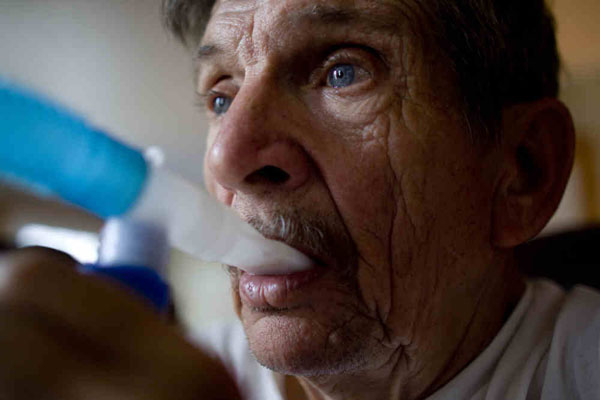
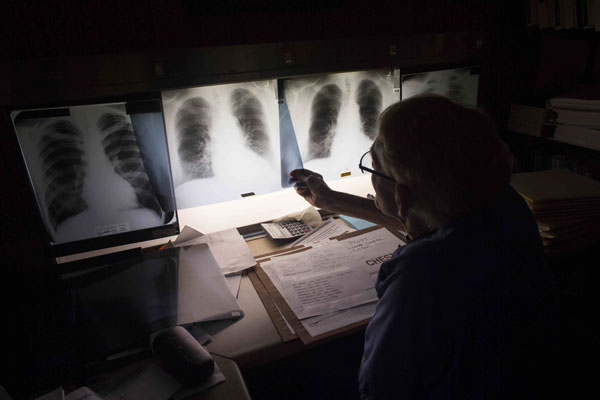
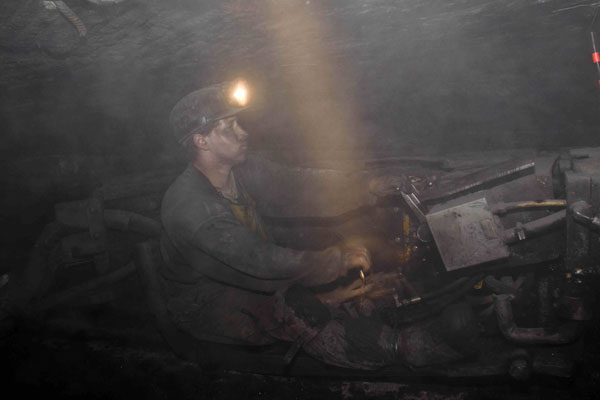
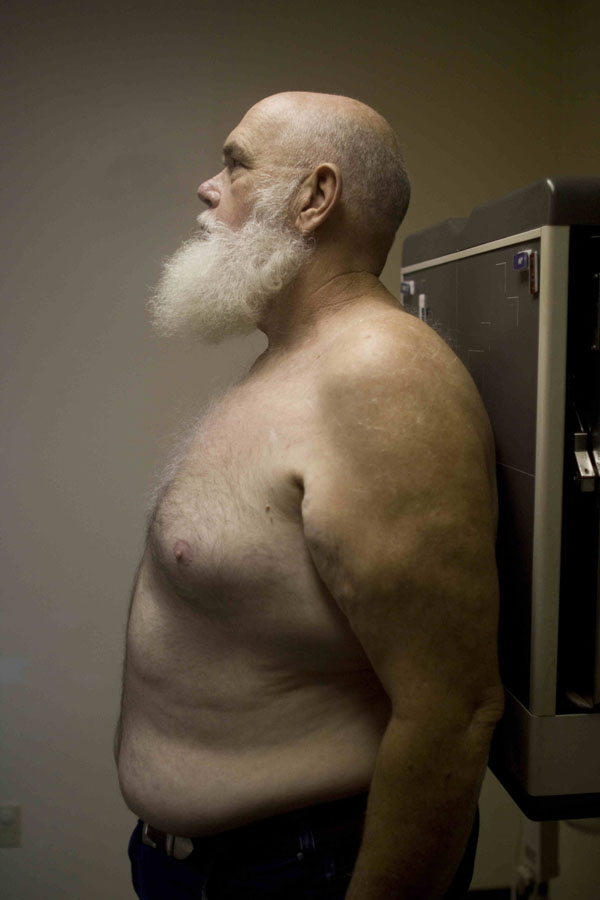
Few people here have health insurance and or easy access to clinics. Life in many parts of Appalachia almost appears to me to be at third world levels of poverty. It's incredibly difficult, yet Appalachian people are some of the proudest, kindest people I’ve ever met.
In the context of a world economy from which we are all suffering, some of our fellow countryman have had it a lot worse for a long time and they should not be forgotten. In fact, they need to be celebrated as heroes; they're the reason the lights are still on. I don't say that to celebrate coal. We need to find less polluting alternatives and quickly, but as in all decisions involving policy you can't forget that people's lives are deeply affected and directly impacted by those decisions.
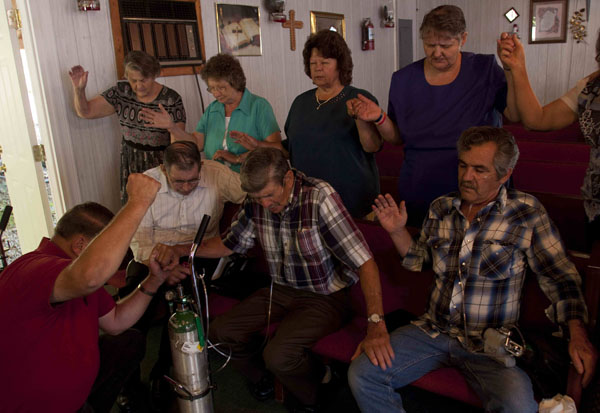
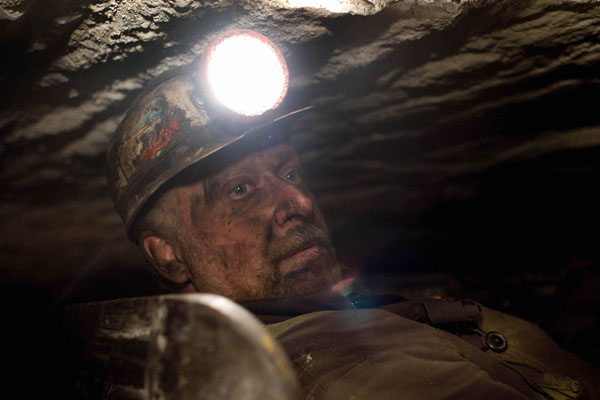
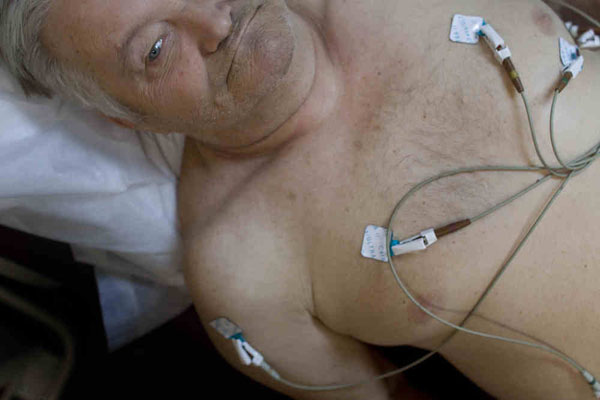
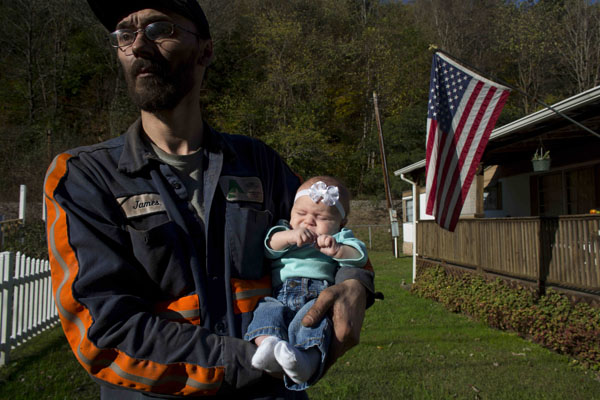
Many of these men dying of black lung disease live out the remainder of their lives in pain and heartbreak with little faith left in either the coal companies or the government that has neglected them. Their eyes have been wide open their whole lives. They know what’s possibly in store for them and they know they’re sacrificing their health for family and they do it proudly. Many are bitter, and rightfully so, about how they are treated after no longer being able to work long hours at hard labor in terrible conditions. Most of us wouldn't work underground no matter what the pay is.
All of these people have so many stories, so profound that I can say that I am greatly challenged as a photographer and storyteller. I can only scratch the surface of their lives and every time I plan a trip back, I make the calls and find out another person has died since I was last with them. I’ve never been so stirred by my work.
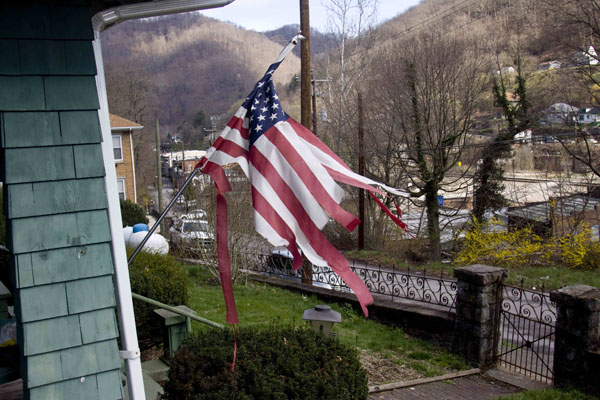
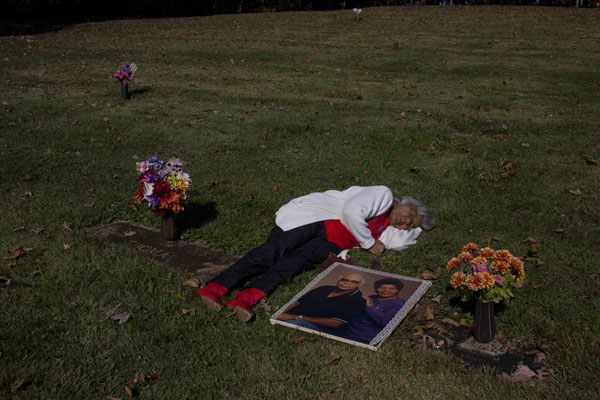
I did not grow up in Appalachia. My experiences are completely different and I don’t know what difference I can make for me or anyone and maybe that’s the point. I feel better personally meeting and knowing these incredible people and I think they feel the same. For me, photography is a form of immortality, always living when everyone is gone.
Les Stone April 2013
All photographs and essay “Deep in the Heart of Appalachia” © Les Stone.