Heart in Place: Kwasi Boyd-Bouldin

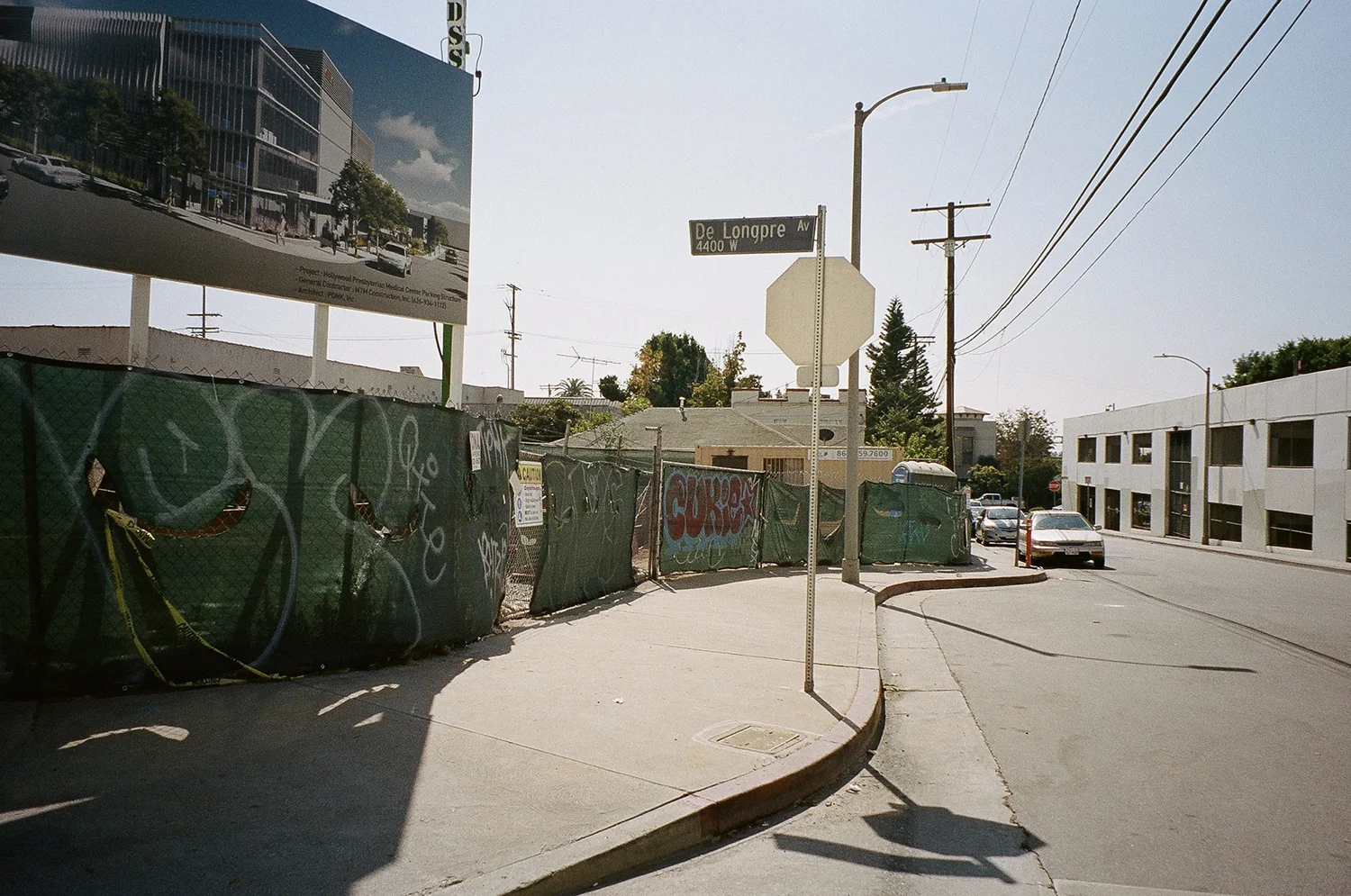
You might be wondering why you’re looking at pictures of Los Angeles on a blog that deal primarily with work from Appalachia. From my desk in Charleston, West Virginia, Los Angeles is more than 2,300 miles away, but there is a proximity of heart for place I find in Kwasi Boyd-Bouldin’s photographs that I’d like to share.
I first learned of Boyd-Bouldin’s work via Twitter, though I can’t remember exactly who shared it. I scrolled through some of his images online and was drawn in by his straightforward manner of looking. His compositions suggested an eye of someone looking beyond the surface and beyond the stereotype of place. This is not the Los Angeles you’ve often been shown.
After several months of following Boyd-Bouldin’s work on Twitter, and later Instagram, it occurred to me that he is looking at his corner of Los Angeles in a very similar way I’m making work in West Virginia and Appalachia. Despite the geographical differences, there is a common thread of love for place, a desire to show a more realistic portrayal of that place through critical looking and thinking, and to document the impact of the physical changes in the landscape of one’s home.
For all the things I detest about social media, every now and again, there are redeeming qualities. Had it not been for social media, I might have never known about Boyd-Bouldin’s work. I might have never had the chance to reach out to him to tell him how much I appreciate what he’s doing and why he’s doing it. I might never have had the chance to ask him about his work and to share some of that work here.
Boyd-Bouldin’s work is becoming more widely visible. In February of last year, he was included in TIME’s 12 African American Photographers You Should Follow Right Now and in November of last year, the New York Times LENS blog featured some of his photographs and a brief interview. One of the things he said in that piece illuminated a foundational element in the work he makes and made me think about the work I make: “In part, he says, the project is his intention to document a vanishing L.A. Few who live outside it even know it exists. He wants “to present a portrait of the city that reflects the lives of people who live in Los Angeles, as opposed to the glossy fictional version that dominates the mainstream narrative.” Just substitute Los Angeles with Appalachia or West Virginia or Kentucky.
In his series The Displacement Engine, in which he provides much needed critical thinking and viewing on the issue of gentrification, he writes, "The effort to push vulnerable populations to the margins may seem to be organic but it is often an organized campaign. Perpetual, neighborhood wide rent increases coupled with a total sustained lack of local infrastructure (grocery stores, good public schools, etc...) are the ingredients needed to initiate the desired effect." In West Virginia it isn't the same type of gentrification but it is systematic erasure. Apply this lens to look at the organized campaign of the coal industry to keep an already vulnerable population marginalized. In Mingo County, West Virginia, there isn't a single grocery store in the entire county. Likewise, four of the county's five high schools (Burch, Gilbert, Matewan, and Williamson) closed their doors in 2011 before consolidating into one school, Mingo Central, which is built on a reclaimed surface mine site.
I trust you'll enjoy Boyd-Bouldin's work and his thoughtful approach to place. Scroll through for our brief conversation, including a list of photographers he recommends following. You can see more of Boyd-Bouldin’s work at his website Kwasi Boyd-Bouldin and The Los Angeles Recordings. You can also follow him on Instagram and Twitter.

Roger May: Can you talk about the importance of photographing the place you’re from and how that informs your pictures?
Kwasi Boyd-Bouldin: Most people’s idea of what life is like in LA (and Hollywood specifically) is completely based in fantasy. I didn’t feel that the city I grew up in was being accurately represented in the media so I started documenting things from my perspective. It’s always been my goal to depict what Los Angeles looks and feels like from the street level. I think everyone should photograph their neighborhood.

RM: How about the importance of film? How and when did you begin to incorporate film (and digital) into your work?
KBB: My relationship with film photography started out of necessity, it was the only affordable medium when I started to get serious about photography. Over the years I stuck with it because it became the easiest way to get consistent results. It forces me to incorporate the element of time into my workflow and that is something that I apply to all of my photography regardless of platform. I’ve gone back and forth over the years but recently I have shifted back to a digital workflow (Fuji X).
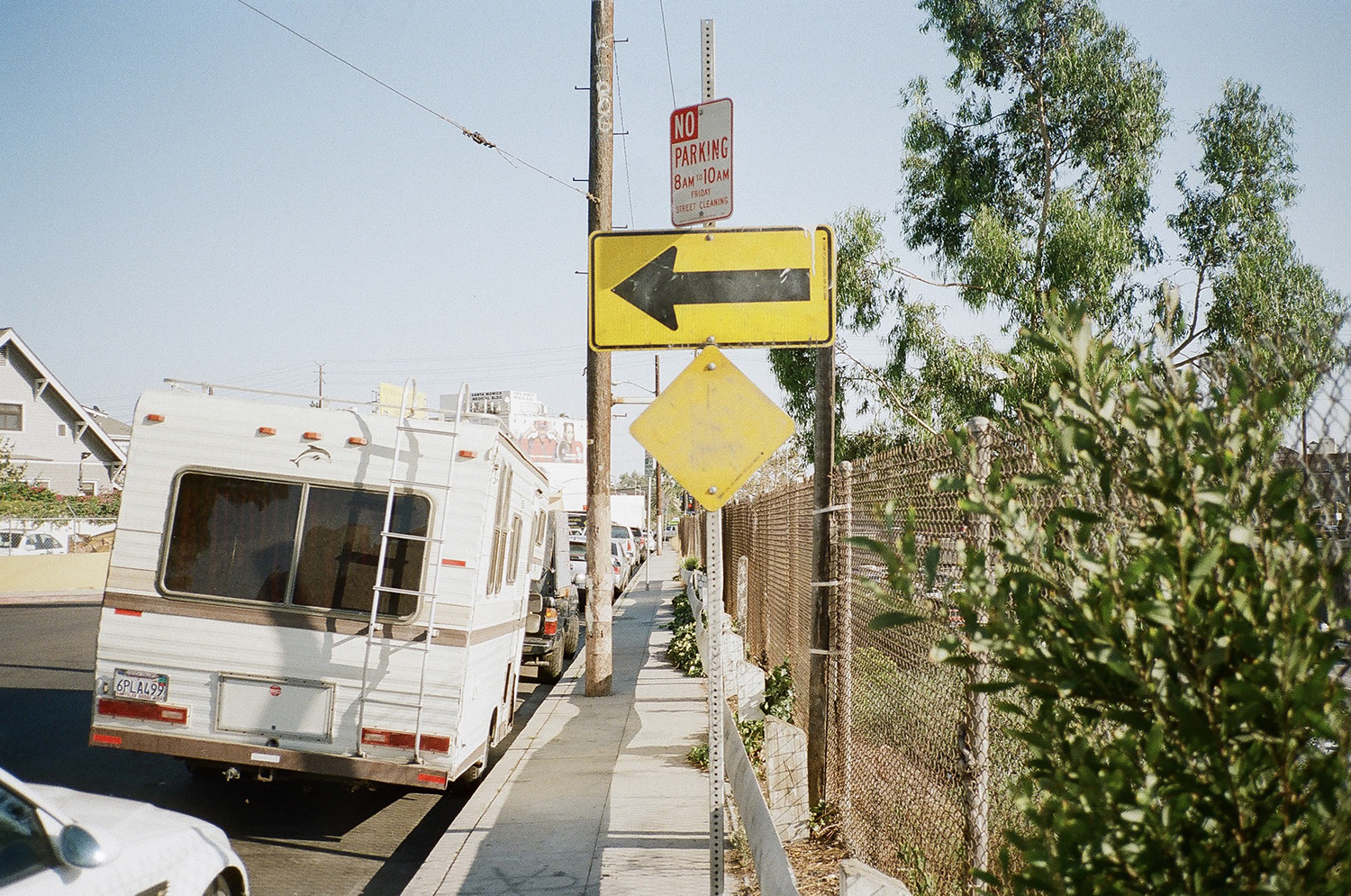
RM: Your work speaks to me on a number of levels, but I’m particularly interested in your relationship to place and how you work to show the human interaction or imprint on the landscape. What is it about the landscape you feel compelled to document?
KBB: I’m drawn to photographing the urban landscape because of an interest in depicting and navigating large systems. Los Angeles is a knot of interlocking cultures, neighborhoods, and influences and I’ve always been inspired by how everything intersects. And for me, the landscape is the universal element that connects all of these different components. Everyone leaves their mark in one way or another and by stepping back you can see how all of those marks look collectively. That perspective is what’s missing from mainstream depictions of L.A. (and most other places) so that’s what I have focused on with my work.

RM: Can you tell me a little bit about who and what inspires you? Do you care to share what you’re reading or listening to right now?
KBB: I have a wide range of creative influences ranging from a lifelong addiction to Anime and science fiction to random conversations to people I meet on the street. In the realm of photography I’m influenced by Jamel Shabazz, Gordon Parks, Stephen Shore, William Eggleston, Latoya Ruby Frazier, Thomas Struth, and far too many more to list.
My father played the flute and the xylophone and my two older brothers were in a semi-famous old school rap group called 7A3 so I have always been surrounded by music. As a result I listen to a bit of everything, my current rotation includes Kendrick Lamar, Thundercat, MF Doom, Kamasi Washington, Little Dragon, Flying Lotus, Jay Z, Dabrye, Prhyme, Madlib, and a ton of other artists I’ve forgotten.

RM: The issue of gentrification is something many living in towns and cities are becoming more and more aware of. How do you see photography holding space for that conversation and the intersection of art/documentary and socioeconomics/politics?
KBB: I think that documenting neighborhoods as they exist currently and how they are being transformed is critical. Photography can be a vital part of that conversation but more people from the areas that are being gentrified need to be given the platform to share their stories. It really comes down to which perspectives are valued and why some interpretations are prioritized above others. Using photography to contextualize the lives and surroundings of the people affected is just the start, there needs to be a conversation about how neighborhoods can be revitalized without forcing people out of them.

RM: Who are other photographers folks should be paying attention to right now?
KBB: I think that we’re in the midst of a golden age in photography and thanks to platforms like Instagram you can come across a lot of incredible work you would miss otherwise. I think the following people are doing amazing things: Luis Torres, Erwin Recinos, Idris Solomon, Sean Maung, Michael Santiago, Scott Hurst, Aaron Turner, Gioncarlo Valentine, Jon Henry, Wendel White, and Nadia Huggins.


Review - William Gedney: Only the Lonely, 1955-1984
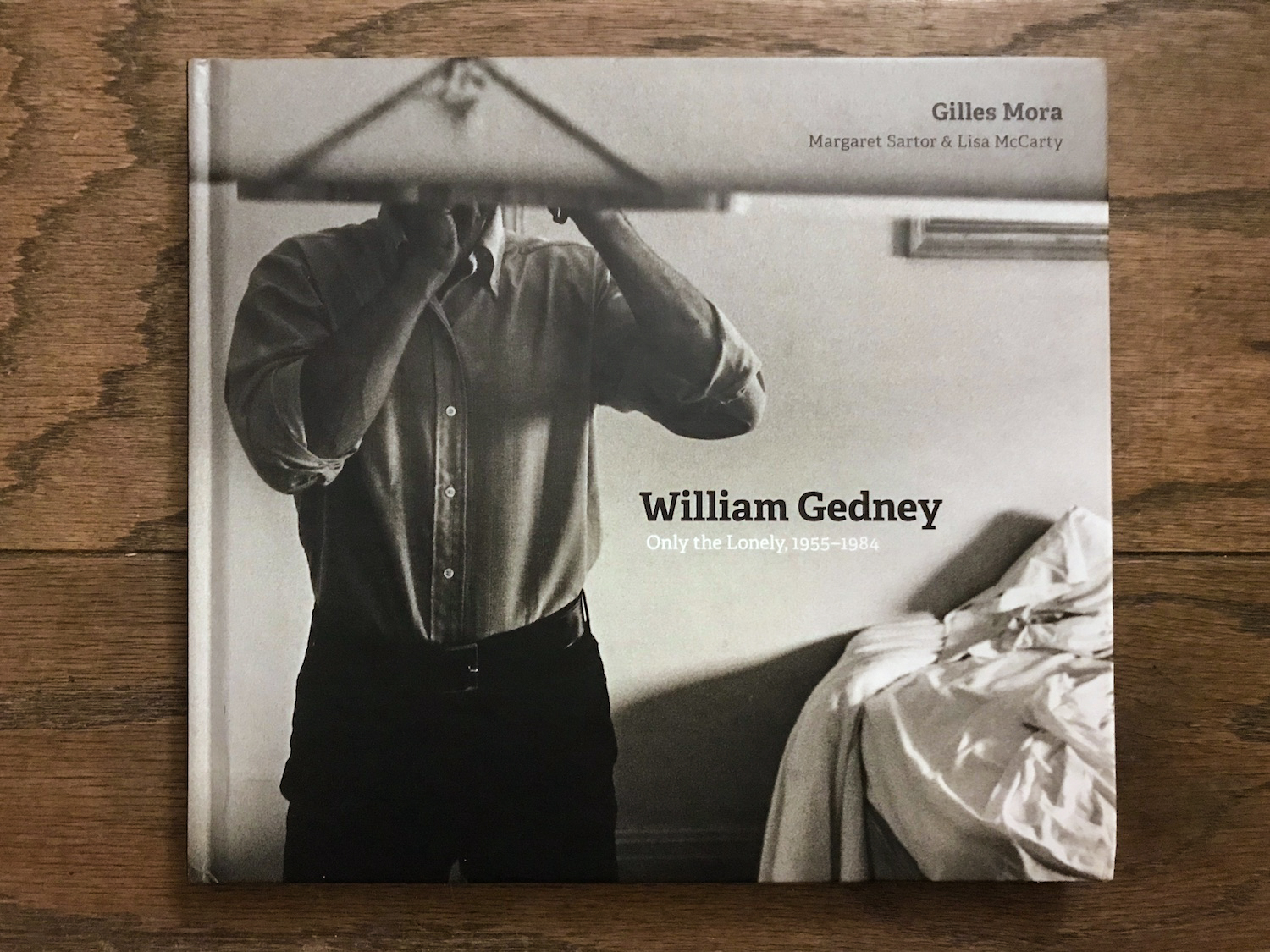
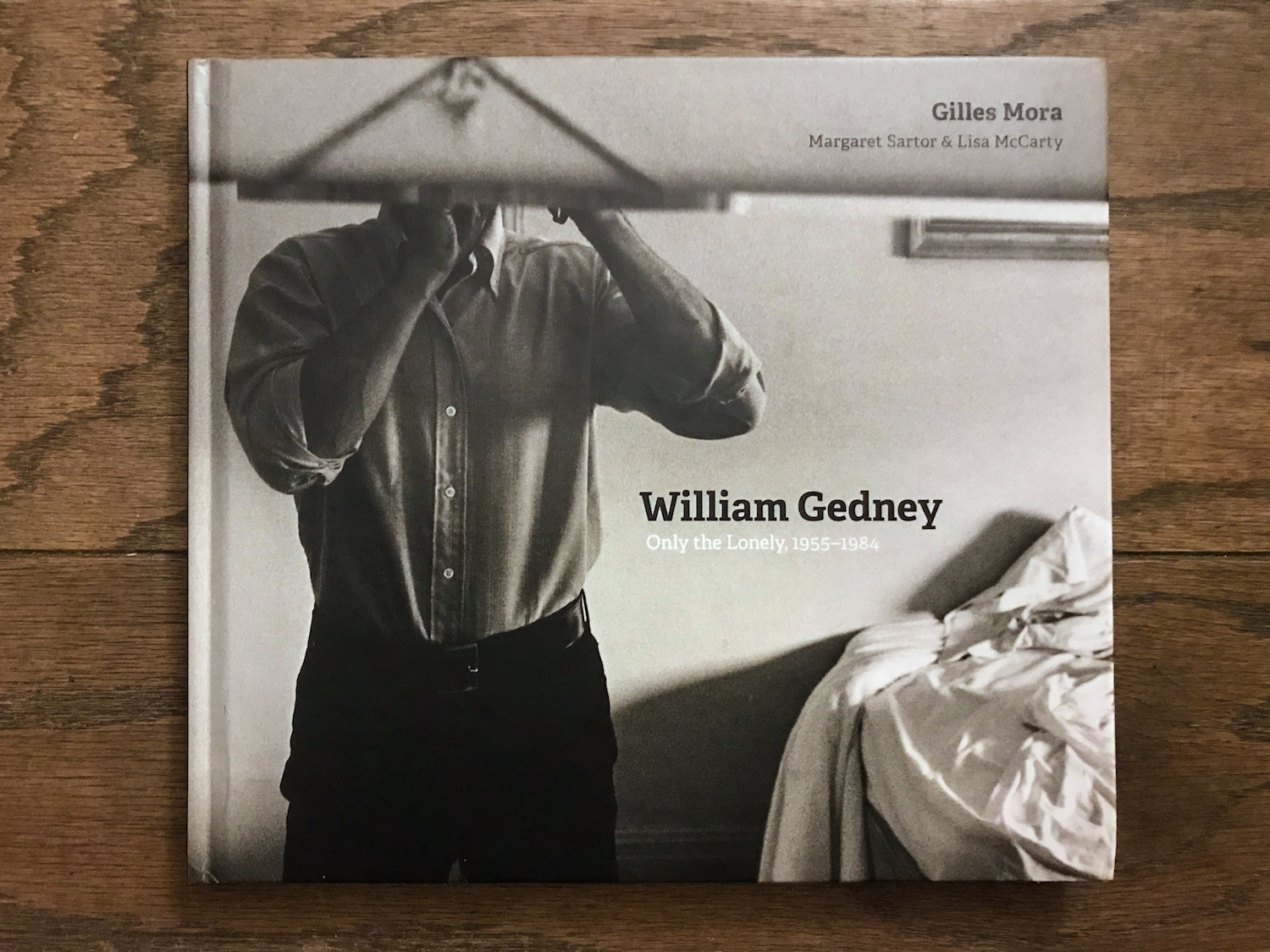
Hardcover | 10.5 x 9.5 inches | 160 pages | 160 duotone photographs | University of Texas Press, 2017 | Edited by Gilles Mora, Margaret Sartor, and Lisa McCarty
William Gedney’s work was once described as quiet poetry. I can’t think of a finer description of the photographer I’ve never met, but whose work has had a profound impact on my development as a photographer and understanding of photography in all its imperfections and limitations. Intimate is another word often used to describe his work, and although it truly is intimate, I worry that it has become something of a softball descriptor of work that is deeply complex and difficult to categorize. Only the Lonely provides us with a deeper dive into the expansive work of William Gedney. There are three distinct pieces of writing by the editors: “William Gedney, So Similar, So Different: Alone are the Lonely” (Gilles Mora), “Short Distances and Definite Places” (Margaret Sartor), and “Intimate Gestures: Handmade Books by William Gedney” (Lisa McCarty). The book is divided into eight sections of photographs: The Farm, 1955-1959, Brooklyn, 1955-1979, Kentucky, 1964, 1972, United States, 1964-1972, San Francisco, 1965-1967, India, 1969-1971 and 1980, Europe, 1974, and Gay Pride Parades, 1975-1983.
Only the Lonely, is the most recent significant work of this little known photographer. After his death in 1989, Gedney left the responsibility of his archive to Lee Friedlander, who has published dozens of books of his own work and is still actively making books, yet Gedney never lived to see his work in book form. Sean O’Hagan, who writes about photography for the Guardian, called Gedney a “pioneer of immersive documentary.” There has been somewhat of a resurgence in the work of William Gedney, for which I’m incredibly thankful. In 2013, photographer Alec Soth published Iris Garden, a beautiful book of Gedney’s pictures combined with the writing of John Cage (now out of print). Before that, only one other book had been published dedicated solely to the work of William Gedney. In 1993, Duke University became the repository for 51.3 linear feet of Gedney’s work. Margaret Sartor, a photographer, writer, and teacher at the Center for Documentary Studies at Duke, was approached by the library and asked to put together an exhibit of Gedney’s work. In 2000, Sartor and Geoff Dyer coedited What Was True: The Photographs and Notebooks of William Gedney (which quickly sold out and is also out of print).
William Gayle Gedney died on June 23, 1989 at the age 56. In his lifetime, he was awarded a John Simon Guggenheim Memorial Foundation Fellowship for photography (1966-67), a Fulbright Fellowship for photography in India (1969-71), a National Endowment for the Arts grant in photography (1975-76), and several other grants and fellowships. He had a show at the New York Museum of Modern Art (1968-69) as well as more than a dozen other exhibitions. I wrote about my desire for seeing Gedney’s Kentucky work come to fruition in book form exactly as he intended here.
In her essay “Short Distances and Definite Places,” Sartor writes of Gedney, “People trusted him. Moreover they trusted how he saw them.” This gets at the very heart of documentary and place-based work for me. It isn't enough to just earn the trust of folks who let you into their lives, although it is a critical and foundational step. Would that all of us in our documentary practice earn the trust of people to the extent that they trust how we see them. What a beautiful relationship to strive for and what a beautiful book to have as a reminder of its possibility.


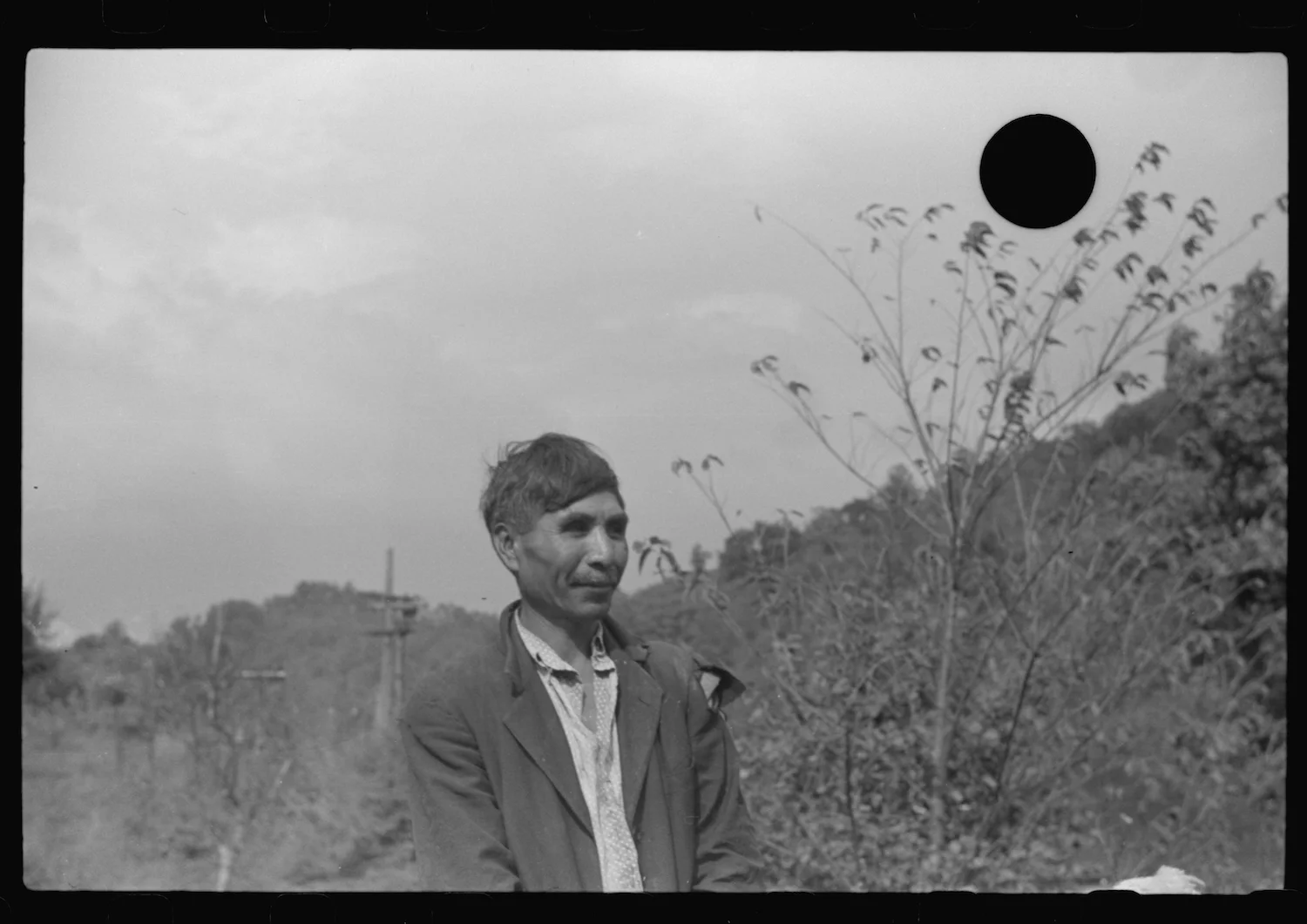
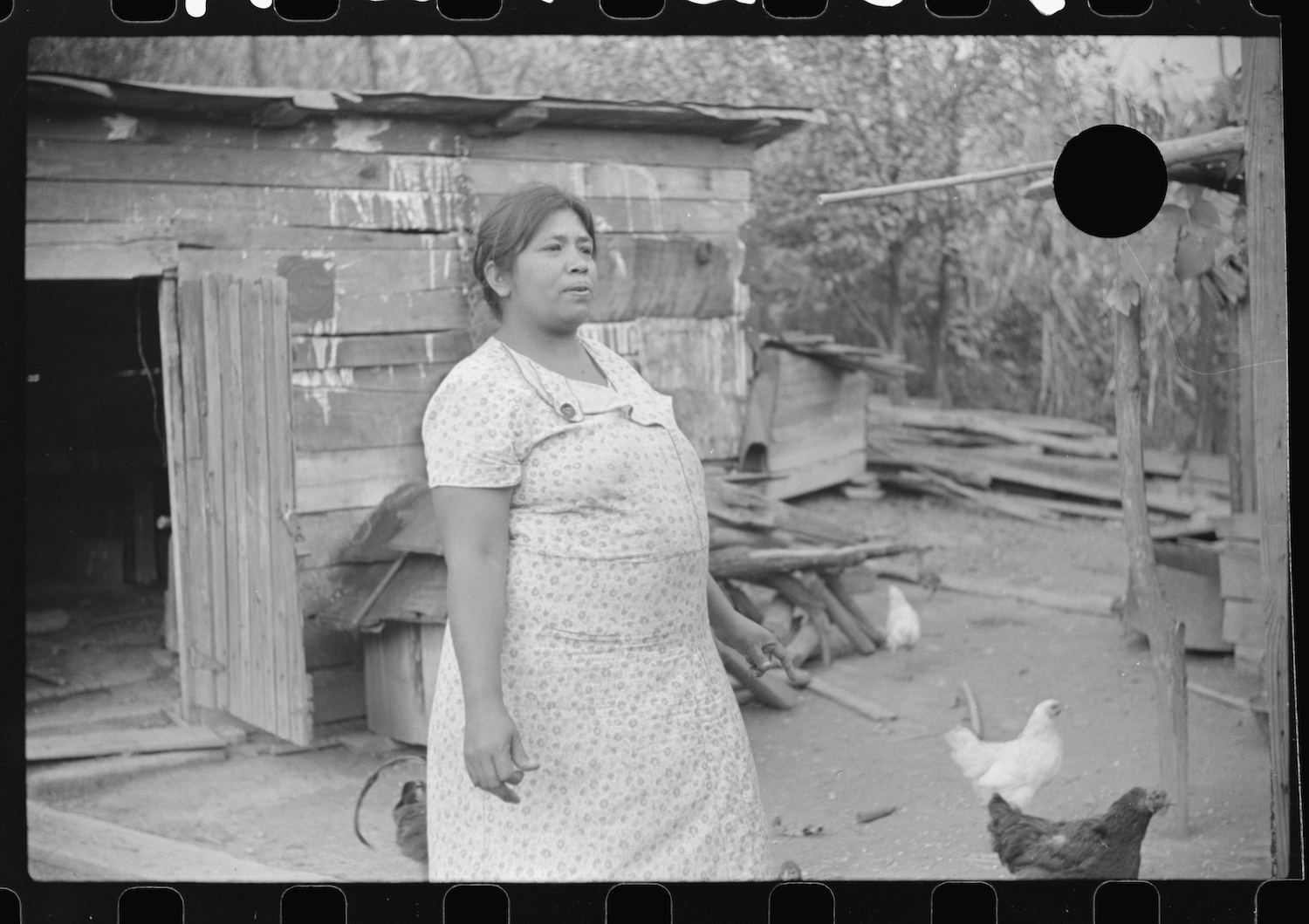
Mexican Coal Miners, West Virginia, and Marion Post Wolcott

The Farm Security Administration—Office of War Information (FSA-OWI) produced some of the most iconic images of the Great Depression and World War II and included photographers such as Dorothea Lange, Walker Evans, and Ben Shahn who shaped the visual culture of the era both in its moment and in American memory. Unit photographers were sent across the country to document and combat rural poverty. The negatives were sent to Washington, DC. The growing collection came to be known as “The File.” With the United State’s entry into WWII, the unit moved into the Office of War Information and the collection became known as the FSA-OWI File. Marion Post Wolcott began her work with the FSA on assignment in West Virginia where her mother had distributed family-planning literature. Her mother advised her to do things like observe clothes hanging on the line to better understand the people she wanted to photograph. Wolcott would go on to canvas the United States for her work with the FSA from 1938-1942.
Wolcott was one of eleven FSA photographers and one of only two women (Dorothea Lange, the other) hired for the project. While researching her photographs from West Virginia, something caught my eye. Mexican miners. In addition to whites and blacks, I knew all manner of immigrants had come to the coalfields in search of steady work: Hungarians, Italians, and others. But it never dawned on me that Mexican coal miners would've been working in West Virginia nearly a hundred years ago (or perhaps longer). A minority (woman) photographing minority (Mexican) coal miners and their families. These are the primary images I wanted to share for this article. It seems timely in our current political climate. Women are still underrepresented, overlooked, and underpaid. Immigrants, particularly Mexican immigrants, still struggle to take hold of the American Dream while constantly facing the threat of harassment or even worse, deportation. I doubt the coal operators in West Virginia's mines cared much about immigration status as long as the coal continued to run and profits remained steady. (I also stumbled upon this brilliant piece of research by Heidi Taylor-Caudill and Whitney Hayes called Immigrants in the Coalfields.)
In a 1965 oral history interview, Wolcott shares, "And so my first assignments were very close to Washington. I think one of the first ones, if not the very first, was in the coal fields in West Virginia. That was a very short assignment, of course. And it was a very interesting one, too. I found the people not as apathetic as I had expected they might be. They weren't too beaten down. Of course, many of them were but they were people with hope and some of them still had a little drive, although, of course, their health was so bad it was telling . . . ."
On another note, Roy Stryker, overseer of the FSA photographers, was known for killing negatives of the work that didn't pass muster. He rendered the images useless by punching a single a hole through them with a manual hole punch (see the first and fourth images in this article as examples). In 2016, Bill McDowell published Ground: A Reprise of Photographs from the Farm Security Administration (below) with Taj Forer and Michael Itkoff of Daylight Books, which is a collection of Stryker's hole-punched rejections sequenced in an altogether poetic and resonant project. The resulting book contains 185 plates from more than 1,000 files from the Library of Congress. (Just one of Wolcott's rejected images made its way into the book - also a West Virginia image).




Editor's note: Photogrammar is a web-based platform for organizing, searching, and visualizing the 170,000 photographs from 1935 to 1945 created by the United States Farm Security Administration and Office of War Information (FSA-OWI). Below is a screenshot of my search for Marion Post Wolcott's images from West Virginia during her time with the FSA.

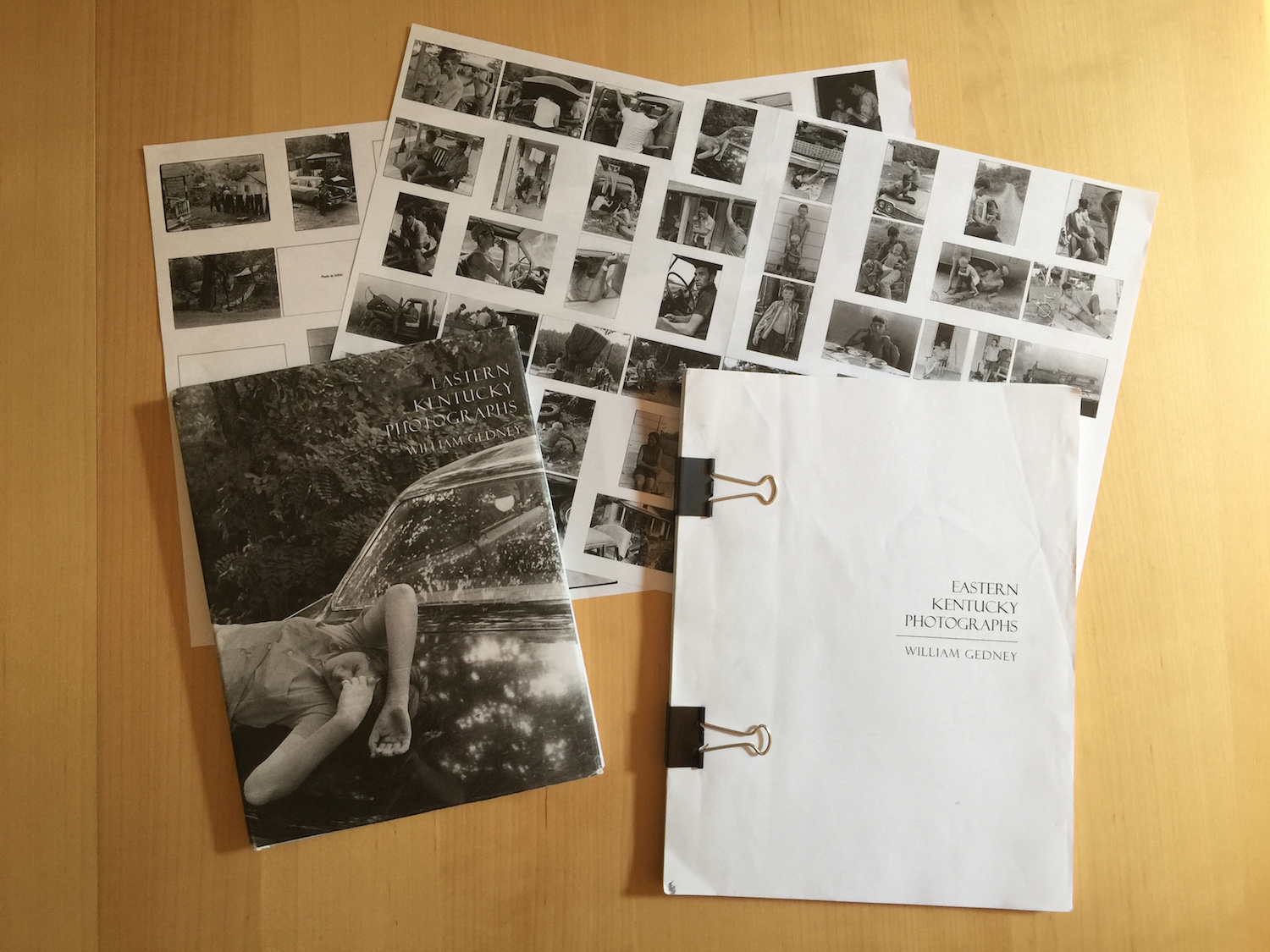
William Gedney's Eastern Kentucky Photographs

One of the things I’m most fond of is seeing how other photographers and artists work. If I see a picture of an artist in their studio or workspace, my attention is usually drawn to the background where I find myself looking at bookcases, work tables, and other “stuff” in their creative space. I also truly enjoy behind-the-scenes snippets of how they work and how things come together. In that vein, I wanted to share a bit about a book project I’ve been working on for some time now. It’s far from complete and very much an early draft. I have no publisher and real idea of the market interest in a book like this. There is still a good deal of text to write for the book. Nonetheless, I think it would make a wonderful book, so I plan to move forward.
I had never seen a William Gedney photograph before beginning classwork at Duke’s Center for Documentary Studies. Gedney’s work is archived at Duke’s Rubenstein Rare Book and Manuscript Library. One of our classes visited the archive and I was immediately taken with his photographs. What’s most striking to me about Gedney is that he went to eastern Kentucky at a time when most of the pictures being made there were being used to highlight and call attention to poverty. What’s more is that he only made two trips there in 1964 and 1972, spending a total of 29 days in Kentucky. Yet many believe, as do I, that this is some of the strongest work of his career. He quickly became a part of the Cornett family and worked amongst them with a meticulous, quiet familiarity shown in the photographs he made there.
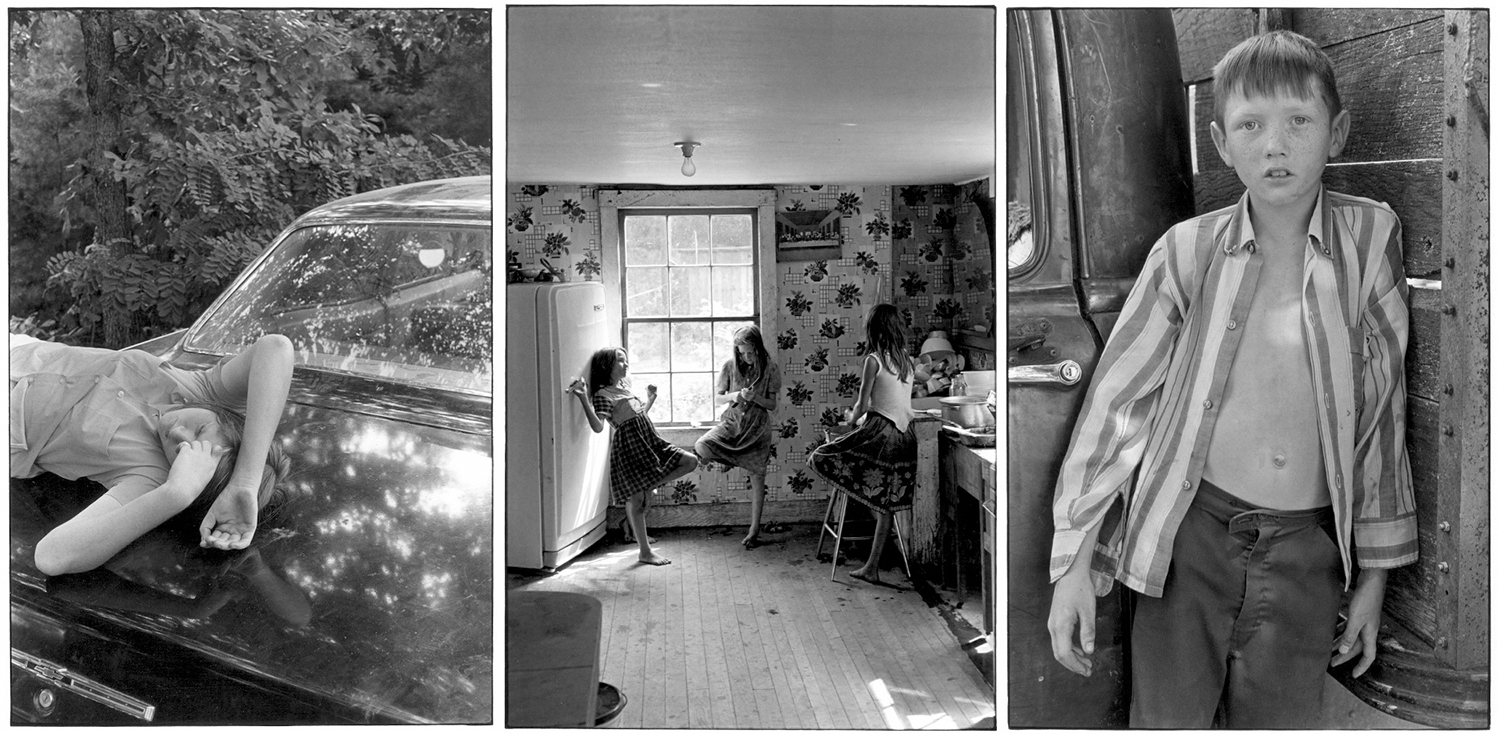
In the early 1960’s, Appalachia saw a flood of photographers, news crews, and filmmakers (think Charles Kuralt’s Christmas in Appalachia circa 1964) come into the hills and hollers as part of the War on Poverty campaign. By and large, they formed a disparaging visual narrative of the place I was born and raised. Yet somehow, William Gedney transcended that tendency and instead made photographs of grace, beauty, and simple existence all the while capturing the real environs of his subjects. There must’ve been something about his spirit that caused him to see what others did not, would not, perhaps could not.
William Gedney died on June 23, 1989 at 56. In his lifetime, he was awarded a John Simon Guggenheim Memorial Foundation Fellowship for photography (1966-67), a Fulbright Fellowship for photography in India (1969-71), a National Endowment for the Arts grant in photography (1975-76), and several other grants and fellowships. He had a show at the New York Museum of Modern Art (1968-69) as well as more than a dozen other exhibitions. What surprised me about this is that Gedney never published a book. Four years after his death, in 1993, Duke University became the repository for 51.3 linear feet of Gedney’s work. Margaret Sartor, a photographer, writer, and teacher at the Center for Documentary Studies at Duke, was approached by the library and asked to put together an exhibit of Gedney’s work. In 2000, Sartor and Geoff Dyer coedited What Was True: The Photographs and Notebooks of William Gedney, which quickly sold out and is now out of print.
As years passed and my fascination with Gedney and his Kentucky photographs grew, I began spending time in the archive going through boxes and boxes of work prints, notebooks, and book dummies. It was here that I came across hand-sketched thumbnails (below) of an early draft for a book of his eastern Kentucky photographs. There were several pages of sketches, several of which listed the corresponding negative and contact sheet number, and it became clear that this was a book he wanted to make. He split the book into two parts – 1964 and 1972 – and included 80 photographs. Thanks to his notes, I was able to identify and locate 73 of the 80 pictures in the archive at Duke. The entire Gedney collection is currently being re-digitized and I hope to be able to identify the remaining seven pictures later this year. Including some of these sketches in the book will be a fascinating addition.
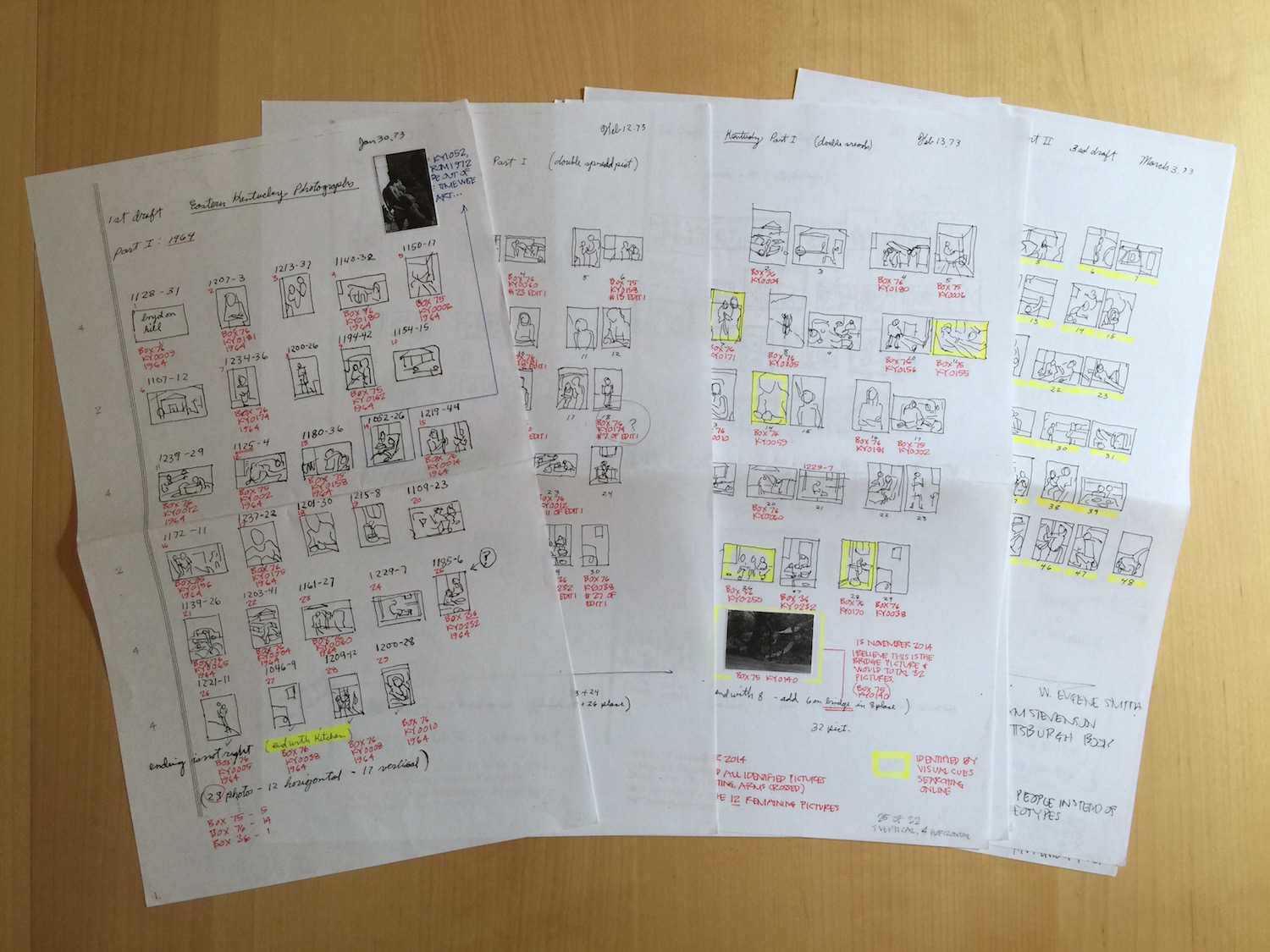

While working on this, I ordered and sequenced the images according to Gedney’s sketches and notes and created a couple of 11" x 17" contact sheets to study and understand his process a bit better. I also created a mock cover and used it to wrap my copy of Andre Kertesz: Paris, Autumn 1963, which incidentally is very similar in makeup with how I’d like to design the Kentucky book. It measures roughly 7.5" x 9.5", 80 pages, and was published by Flammarion in 2013.
I've consulted with Margaret Sartor, who was kind enough to invite me over to dinner earlier this year and along with her husband, Alex Harris, helped me think through some of the processes needed to make this book come to life. She has been instrumental in my learning about Gedney’s work. Lisa McCarty, curator of the Archives of Documentary Arts at Duke, has been incredibly supportive of this project and seeing it come to fruition.
So, if you’re a publisher, love the work of William Gedney, and want to see this book made, please drop me a line. I’d love to talk with you.
All three vertical photographs – William Gedney Collection, Duke University David M. Rubenstein Rare Book & Manuscript Library. All other photographs and content - ©2015 Roger May